Kraftwerk

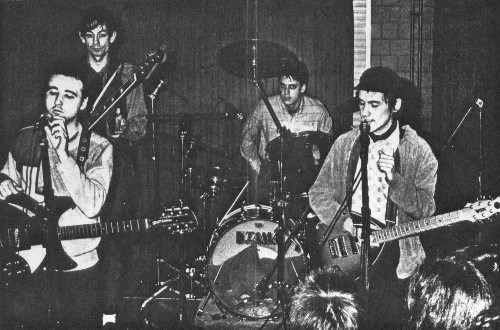
🤖 Me encargaron un artículo que profundizara y actualizara más sobre esa grieta (o “clivaje”, como se dice ahora) entre la música hecha por máquinas (algo que paradojalmente es tan humano como dijo Brian Eno o el amigo Daniel Melero) frente a los riff y aullidos propios de ese rock que nos gusta tanto pero que, reconozcámoslo, no fue ni tan rebelde ni innovador como nos hicieron creer.

https://www.latercera.com/culto/2023/05/25/mas-influyentes-que-the-beatles-kraftwerk-la-banda-que-invento-todo-lo-que-estas-escuchando-hoy/

Quote #4:

The Lacanian structure is, up to a point, the result of my private pathology. What I mean by this is that I have an incredible resistance to rituals of power. For example, I often get into problems when I am on a committee at which a student has to defend his or her graduation paper. My question is always, why do it? My idea is always, why go through the ritual at all? Let’s simply sign the documents and just go to a restaurant and have a nice meal. But I noticed how people liked the spectacle, the ritual, otherwise they are disappointed. But I have a deep resistance towards rituals.

Conversations with Zizek. 37-38.

Quote #3:

Here I agree with Heidegger and Lacan, who say that Aristotle’s socalled biological writings are the key. What Aristotle advances in his description of the structure of a living being, as that which moves itself out of itself is not so much a theory of the world as it is a theory of what we mean when we say this is alive: that is to say, he engages with what preunderstanding we have when we, say, identify something as a living being. It is really in this sense a hermeneutical procedure not an ontological one. It is not a question about what it objectively scientifically means to be alive. It is, rather, a question of how, in our daily lives when we experience something as alive (an animal is alive, a stone is not alive), we apply certain criteria that we already have in ourselves: it’s this hermeneutical approach. In this sense, again maybe behind all these names which I have mentioned, Kant is crucial.

Conversations with Zizek. 27.

Arte popular

“He aquí la razón por la cual Atenas no podría crecer como lo hizo Roma, mediante la incorporación de otras póleis. Para el ateniense, la responsabilidad de adoptar sus propias decisiones, de llevarlas a cabo y aceptar sus consecuencias constituía una necesidad en la vida del hombre libre. Por esta causa el arte popular de Atenas fue la tragedia de Esquilo o de Sófocles y la comedia de Aristófanes, en tanto que el nuestro es el cine. El ateniense estaba habituado a ocuparse de cosas trascendentales; un arte que no se refiriere a temas de importancia le habría parecido pueril”

Sigo con H.D.F. Kitto